Hibiscus Tea vs Karkade: Are They the Same?
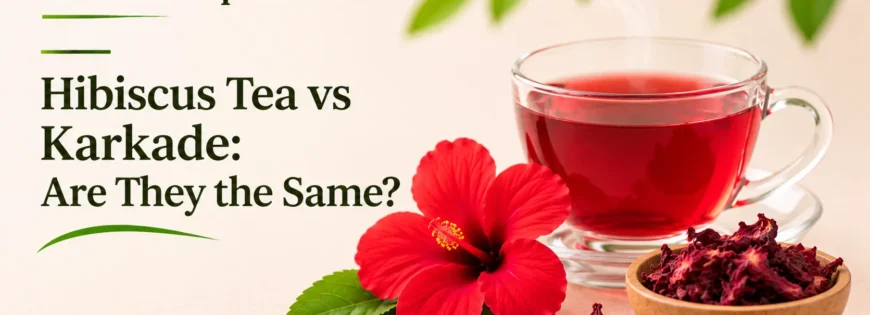
Karkade and hibiscus tea are generally the same drink: both commonly refer to an infusion made from the dried calyces of roselle, Hibiscus sabdariffa. “Karkade” is a name associated especially with Egypt and Sudan, while “hibiscus tea” is a broader English term. The main differences are usually in the name, serving style and added ingredients—not necessarily in the plant itself.
That said, labels can vary. Some hibiscus teas contain additional herbs, fruit or sweeteners, so a product called hibiscus tea may taste different from a traditional karkade drink. Checking the botanical name and ingredient list is the best way to understand what you are buying.
What Is Karkade Made From?
Karkade is a tart, deep-red drink traditionally prepared from roselle, a plant in the hibiscus family. The part most often used is the calyx: the fleshy structure made up of sepals that surrounds the flower bud and remains after the petals fall. Dried calyces are often sold simply as “hibiscus flowers,” even though the petals are not usually the main ingredient in the tea.
The drink is familiar in Egypt and Sudan, where it may be enjoyed hot or cold and sweetened according to preference. Similar roselle drinks are known by other names in different regions, including bissap in parts of West Africa and agua de Jamaica in Mexico. Recipes and traditions differ, so these names do not guarantee an identical finished drink.
Roselle is one species within a large hibiscus family. Ornamental hibiscus plants are not automatically interchangeable with the food-grade roselle sold for tea. If you want to prepare a drink at home, choose an ingredient identified for culinary use rather than flowers intended for decoration.
Karkade vs Hibiscus Tea: What Is the Difference?
For most shoppers, the distinction is primarily linguistic and cultural. Karkade usually refers to the roselle drink associated with Egypt and Sudan, whereas hibiscus tea is a general English description that can cover a single-ingredient infusion or a blend. Roselle tea and hibiscus flower tea are also common names for drinks made with this ingredient.
| Name | What it generally means | What to check |
|---|---|---|
| Karkade | A roselle drink associated especially with Egypt and Sudan | Whether it is plain, sweetened or mixed with other ingredients |
| Hibiscus tea | A broad name for a hibiscus-based herbal infusion | The species and full ingredient list |
| Roselle tea | Tea made from roselle, usually Hibiscus sabdariffa | Whether the product contains only roselle |
| Hibiscus flower tea | A common retail name for a hibiscus infusion | Whether the flowers or calyces are food-grade and suitable for tea |
A packet labelled “karkade” and one labelled “hibiscus tea” can therefore contain the same dried ingredient. However, two products with similar names may still differ in cut size, freshness or added flavours. A ready-to-drink karkade may also contain sugar, whereas plain dried roselle does not come pre-sweetened.
Is karkade a true tea?
Plain karkade is an herbal infusion, often called a tisane, rather than a true tea made from the leaves of Camellia sinensis. That distinction matters if you are comparing it with green or black tea. A hibiscus blend can still include true tea leaves, so read the label if that difference matters to you.
Plain roselle is naturally caffeine-free. A packaged hibiscus drink or blend may contain caffeine if it also includes black tea, green tea or another caffeine-containing ingredient. For a closer look at the distinction, read about herbal tea made without tea leaves.
What Does Hibiscus Flower Tea Taste Like?
Hibiscus flower tea is known for its bright, tangy flavour and rich red colour. Many people compare its sharpness to cranberry, although the flavour is distinct and can vary with the ingredient and brewing time. It is generally more tart than floral, despite often being described as a flower tea.
A light infusion can taste pleasantly refreshing, while a longer or stronger brew usually brings more acidity. Adding sugar or honey softens the sharpness, and serving the drink over ice can make it especially appealing in warm weather. Taste the plain infusion first so you can adjust it to your preference.
Hot karkade and iced karkade
Hot karkade is a simple option when you want a warming, tangy drink. Serve it plain or add a little sweetener after steeping. A slice of ginger can add warmth, although it is an optional addition rather than an essential ingredient.
Iced karkade is often prepared by making a hot infusion, straining it and allowing it to cool before serving over ice. Mint or a small amount of lemon can be added, but lemon will make an already tart drink sharper. If you prefer a gentler flavour, dilute the cooled infusion with water before adding extras.
How to Make Karkade at Home
A basic karkade drink needs only food-grade dried roselle and water. The amount below is a starting point rather than a fixed recipe, because whole and broken pieces can pack differently into a spoon. Adjust the amount and steeping time after tasting your first cup.
Ingredients for one cup
- 1 to 2 teaspoons of food-grade dried roselle calyces
- Approximately 250 ml of freshly boiled water
- Sugar or honey, to taste, if desired
- Ice, mint or ginger, if desired
Preparation steps
- Check the ingredient. Use dried hibiscus intended for food or tea, and follow any preparation instructions on its packaging.
- Add water. Place the dried calyces in a cup or teapot and pour the freshly boiled water over them.
- Steep. Cover and leave for about 5–10 minutes. Taste after 5 minutes if you prefer a lighter drink.
- Strain and adjust. Remove the plant pieces, then add a little sweetener if desired.
- Serve. Enjoy hot, or let the infusion cool and serve over ice.
If the result is too sharp, add a little water or use less hibiscus next time. If it is too weak, increase the steeping time or the amount of dried roselle gradually. Sweetener changes the balance of flavour but does not reduce the amount of hibiscus in the drink.
For an iced batch, use clean utensils and refrigerate the strained tea promptly once it has cooled. Keep it covered, use it within a couple of days, and discard it if it develops an unusual smell, appearance or taste. Do not leave a prepared drink sitting at room temperature for extended periods.
Choosing and Storing Roselle Tea in Pakistan
When shopping for herbal tea in Pakistan, look beyond the name on the front of the package. A clear label should identify the ingredient and tell you whether it is intended for consumption. If you want plain karkade, look for a single-ingredient product rather than assuming every red herbal blend is pure hibiscus.
The botanical name Hibiscus sabdariffa is helpful because it identifies roselle more precisely than the word “hibiscus” alone. Also check whether the package lists added sugar, flavourings, colours or other botanicals. A blend is not necessarily lower quality, but its flavour and caffeine content may differ from those of plain roselle.
Food-grade flowers and quality checks
Dried flowers sold for crafts, potpourri or decoration should not be used to make tea. They may not have been grown, handled or packaged for consumption. Choose flowers specifically sold as food-grade or suitable for infusions, and avoid using ornamental garden flowers unless their identity and suitability are certain.
Before purchasing, check that the packaging is intact and that the seller provides clear ingredient information. Once opened, inspect the dried material for signs of moisture, mould, insects or an unusual odour. Colour and aroma can vary naturally, but any obvious contamination is a reason not to use it.
The words “natural” and “organic” are not interchangeable. If organic status matters to you, look for reliable certification information rather than relying on a general natural claim. For more practical guidance, see Seven Trees’ article on food-grade herbs and flowers for tea.
How to store dried hibiscus
Store dried roselle in a clean, dry, airtight container away from direct sunlight, heat and humidity. A cupboard away from the stove is usually more suitable than an open shelf near steam. Always use a dry spoon or dry hands when removing the ingredient.
Keep the original package or label so you can refer to the ingredient details and any best-before date. Close the container promptly after use, particularly during humid weather. If you notice mould, damp clumping, pests or an off smell, discard the contents rather than trying to dry them again.
Karkade and Everyday Wellness: What to Consider
Karkade can be enjoyed as a flavourful beverage, but it should not be treated as a medicine. Research has explored hibiscus and health outcomes, including blood pressure, but results do not establish that a homemade cup will have a predictable medical effect. It should not replace prescribed treatment or be used to manage a health condition without professional advice.
Hibiscus may not suit everyone. If you are pregnant or breastfeeding, have a medical condition, or take medication—particularly medicine for blood pressure or diabetes—ask a healthcare professional whether hibiscus tea is appropriate for you. This is especially relevant if you plan to drink it regularly or use concentrated preparations.
People with a known sensitivity or allergy to hibiscus should avoid it. Its tartness may also be unpleasant for some people who experience acid reflux or a sensitive stomach. Start with a modest amount if it is new to you, and stop drinking it if it causes discomfort.
Frequently Asked Questions About Karkade
Is karkade the same as roselle tea?
Usually, yes. Karkade commonly refers to a drink made from roselle, Hibiscus sabdariffa, and roselle tea is another name for an infusion of the same plant. Recipes can differ in sweetness, strength and serving temperature.
Does karkade contain caffeine?
Plain karkade made only from roselle is naturally caffeine-free. However, a hibiscus blend may contain caffeine if it includes black or green tea. Check the complete ingredient list when choosing a packaged product.
Can I use any hibiscus flower to make tea?
No. Hibiscus is a large plant family, and a decorative flower is not automatically suitable for eating or drinking. Choose food-grade roselle identified for culinary use, and do not use flowers sold only for decoration.
Why is my karkade so sour?
Roselle has a naturally tart flavour, and a strong or long infusion can make it taste sharper. Try using less dried hibiscus, steeping for a shorter time or diluting the finished drink with water. A little sweetener can also balance the taste.
Can I mix hibiscus tea with other ingredients?
Yes. Food-grade mint, ginger or rose petals can add different flavours to a roselle infusion. Add small amounts first so they do not overpower the hibiscus, and check that every ingredient is intended for consumption.
Can I drink karkade every day?
There is no single amount that is suitable for everyone. Your health, medications, sensitivity to tart drinks and the strength of the infusion all matter. If you want to make it a regular habit and have a health concern or take medication, check with a healthcare professional.
Conclusion
Karkade, hibiscus tea and roselle tea often describe the same deep-red infusion made from Hibiscus sabdariffa. Differences in sweetness, added ingredients and serving style can make one cup taste quite different from another. For the clearest comparison, check the botanical name and ingredient list rather than relying on the product name alone.
If you are exploring herbal drinks and natural wellness products in Pakistan, Seven Trees offers educational resources on botanicals, teas and dried flowers. You can browse its hibiscus tea articles and herbal tea guides to learn more before choosing ingredients for your next cup. For any product you consider, check its current availability and label details before purchasing.